


Symptoms of diabetes similar in humans and animals
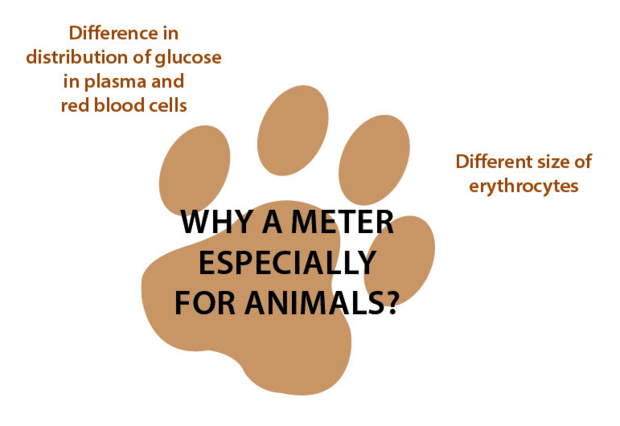
Blood glucose measurement requires specially calibrated measuring devices
A first step in dealing with diabetic pets is to understand the disease. The more you know about diabetes the better you will be able to take care of the health of your pet together with your veterinarian. It is important to know that the symptoms of people and pets with diabetes are similar, but for the measurement of blood glucose you will need different, specially calibrated testing devices.
6 out of 500 cats and 3 out of 500 dogs are diabetic.
Diabetes can be different from pet to pet. For this reason, it is important to recognize related symptoms at an early stage and to discuss the findings with the veterinarian. In case of suspicion of diabetes further medical examinations have to be performed.
In case of suspicion of ketoacidosis – a severe complication of diabetes – your veterinarian can check the concentration of ketones in the blood of your pet by the WellionVet BELUA meter. The measurements can be performed in both capillary and venous blood.
If diabetes is detected at an early stage, health-related short- and longterm complications can be counteracted.
 Regular blood glucose measurements play an important role in the successful treatment of diabetic animals. The blood glucose test should be performed under familiar conditions at home. In this case stress is reduced and your veterinarian will receive accurate data for the adaption of the diabetes therapy plan.
The WellionVet BELUA testing device has been developed especially for cats and dogs. For precise blood glucose and ketone results, special test strips and special code chips, dedicated to each species, are used.
Diabetes mellitus in animals
DIABETES TYPE 1 
Immune-mediated
destruction of the beta cells
of the pancreas
Absolute insulin deficiency
Frequent in dogs
Increased risk:
- Middle to higher age
- Breeds with a genetic predisposition for diabetes
- Additional trigger factors
 DIABETES TYPE 2
Insulin resistance and dysfunction of the pancreatic beta cells
Frequent in cats
Increased risk:
- Higher age
- Neutered male cats
- Obesity
- Indoor cats
- Lack of physical activity